RoadAtthena | The Hidden Danger: Incidents Caused by Missing Road Signs
Road Safety / AI in Infrastructure
The Hidden Danger: Incidents Caused by Missing Road Signs
July 31, 2025
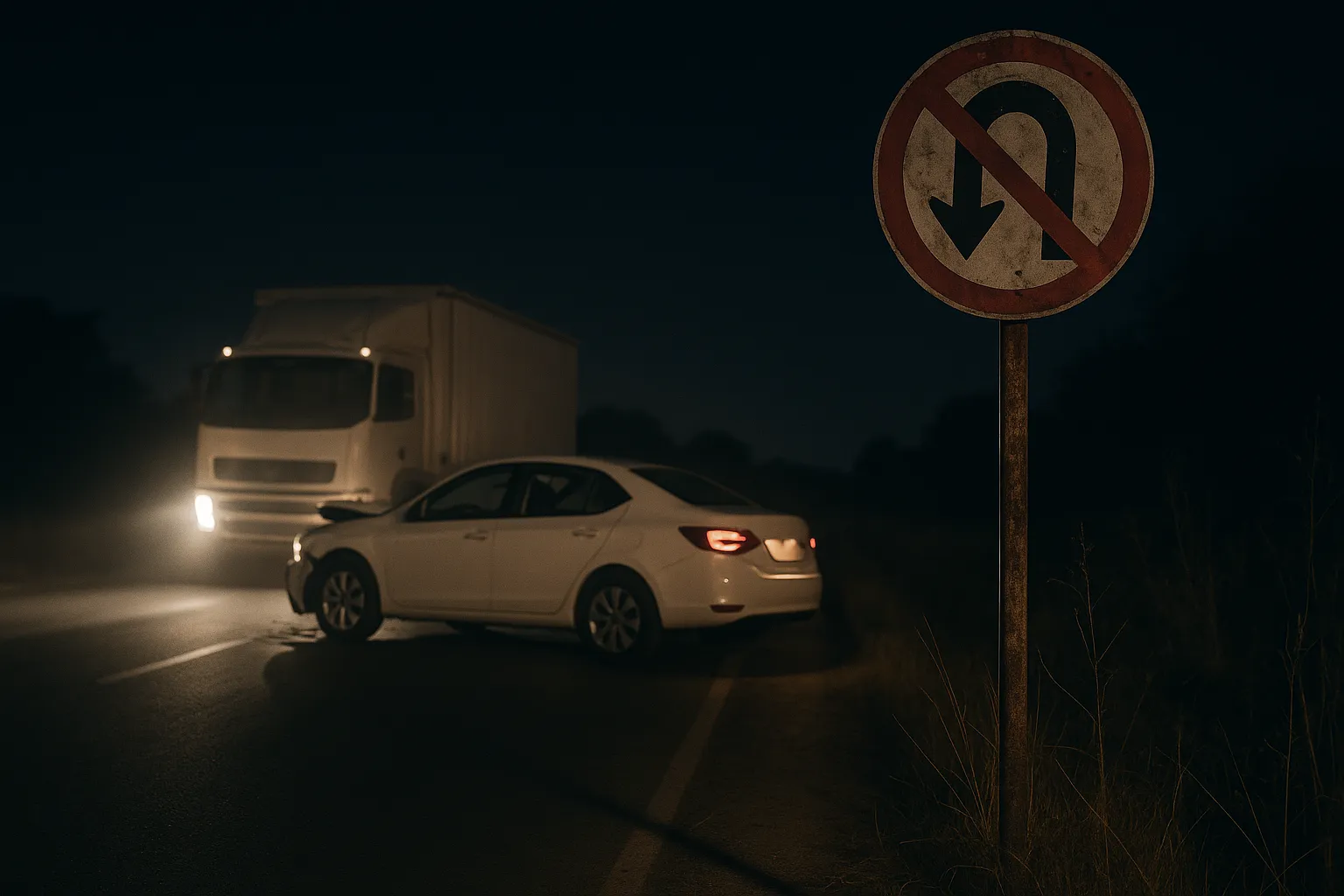
On a quiet stretch of highway in Madhya Pradesh, a commuter car collided with an incoming truck while making a U-turn — at a point where a “No U-turn” sign should have been. The sign had fallen off weeks earlier. No one noticed. No one reported. The system failed — not due to bad roads, but due to missing guidance.
Missing or damaged road signs are one of the most overlooked causes of road incidents. They mislead drivers, confuse navigation apps, and remove critical context in areas prone to high-speed movement or poor visibility.
The problem isn't that signs go missing — it’s that nobody knows when they do.
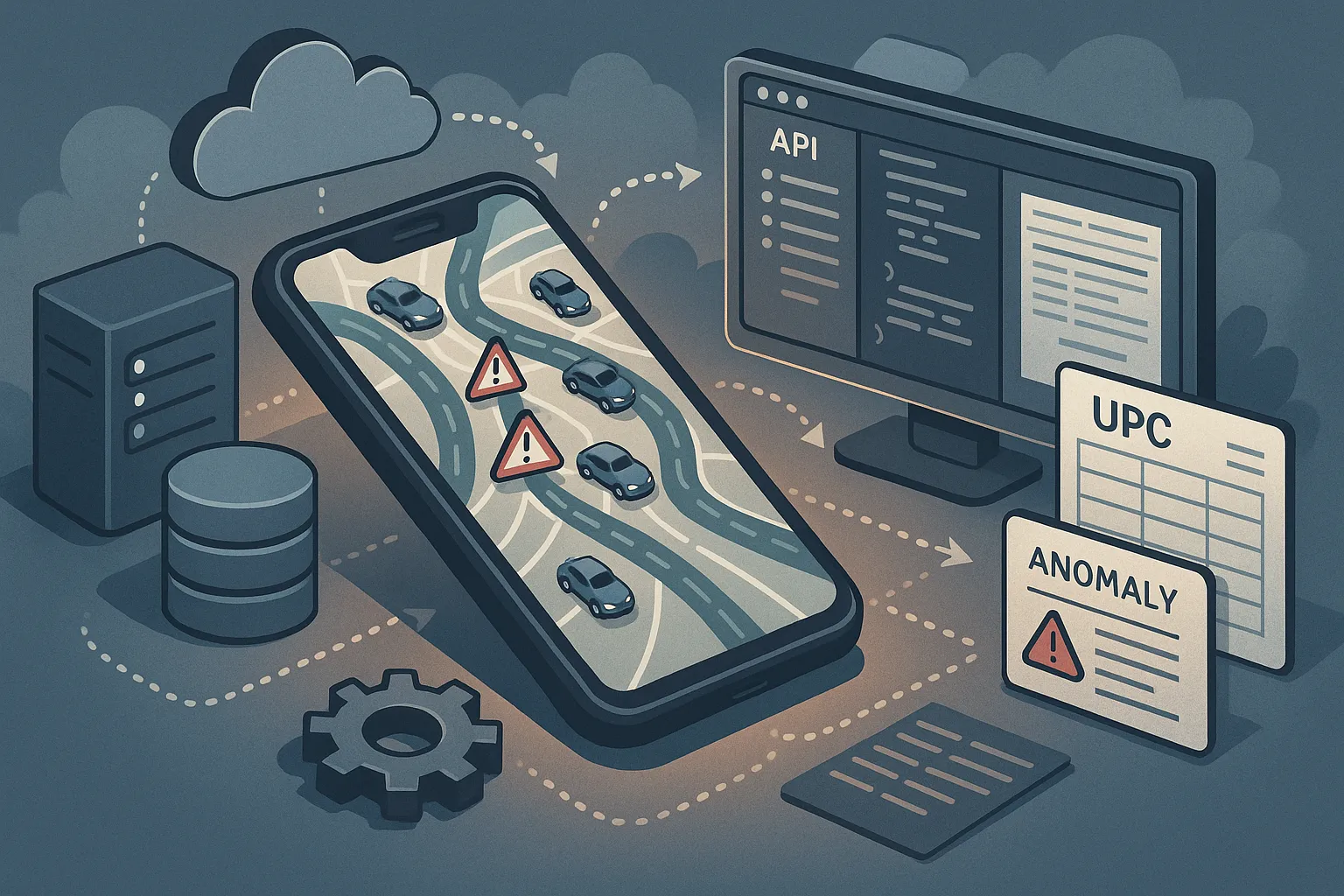
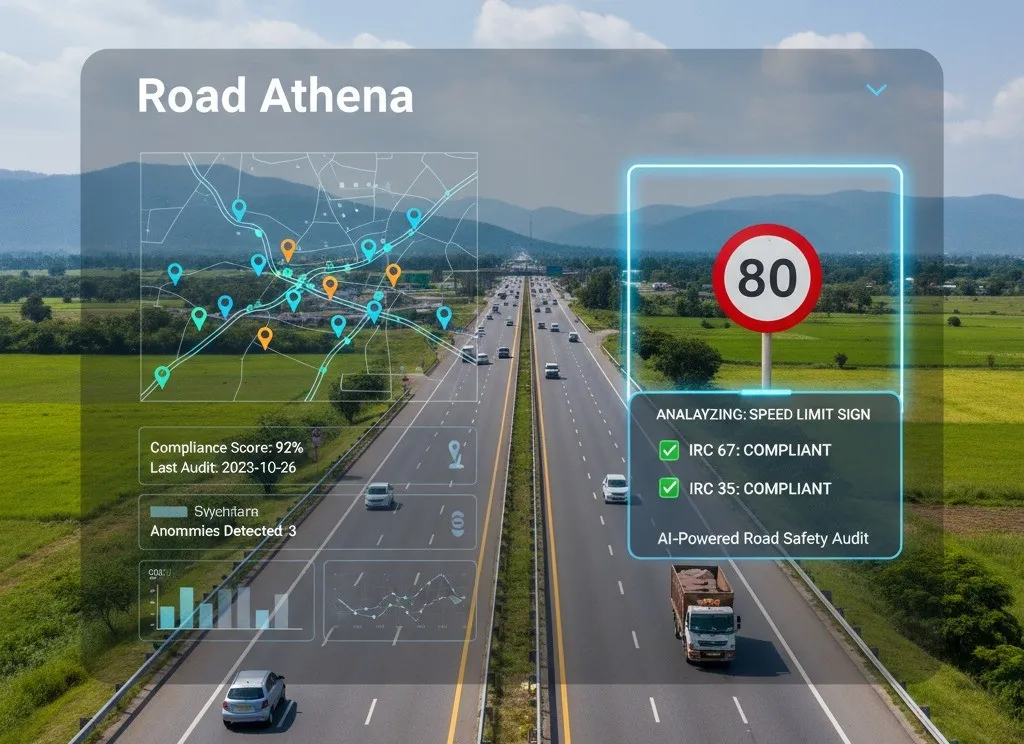
That’s where AI-driven road survey automation comes in. With vehicle-mounted cameras and anomaly-detection models, systems like RoadAthena can identify missing or tilted signs using computer vision. Our models flag areas lacking mandatory signboards (like stop, yield, or pedestrian crossing), and log GPS-based alerts in real time.
This data feeds directly into municipal dashboards — ensuring that maintenance crews are notified before incidents occur. Combined with automated summaries and visual overlays, this turns routine surveys into life-saving interventions.
It’s not just about infrastructure. It’s about accountability, automation, and most importantly — prevention.
As cities grow and roads get busier, we must prioritize systems that monitor not just potholes, but the absence of safety cues too. Because sometimes, what’s missing is the most dangerous of all.
YOU MIGHT ALSO LIKE
How We Optimized Real-Time Road Data Using Django APIs